What Travelers Should Do When Water Damage Affects Their Temporary Accommodation
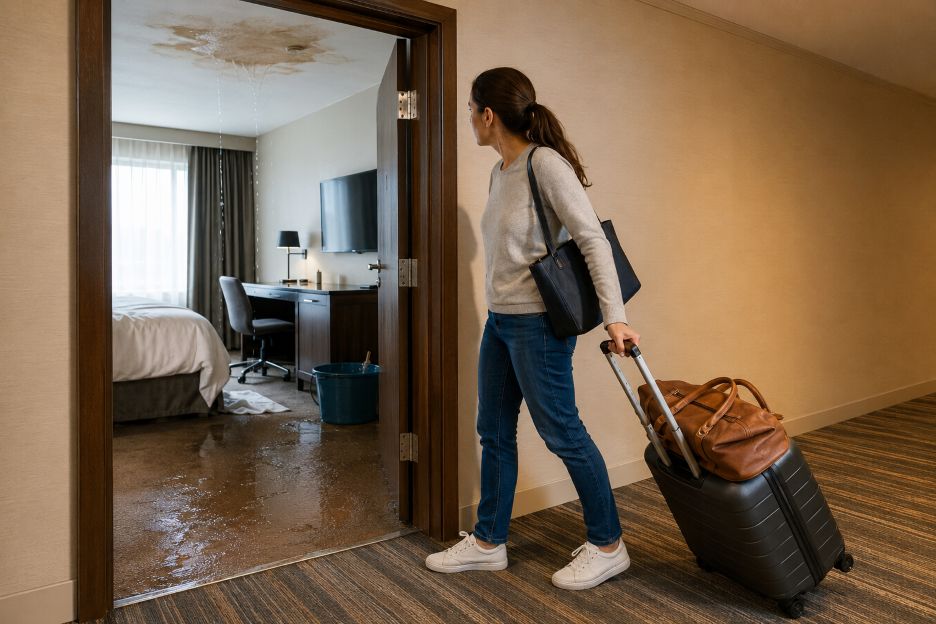
Water entering a hotel room, hostel, homestay, or short-term rental can create electrical, structural, and health hazards. A leaking pipe may soak luggage within minutes, while storm flooding can make an entire building unsafe. Travelers should treat the incident as a safety problem first, then address damaged belongings, communication, and replacement lodging.
Local conditions influence the response. Travelers staying in Georgia may encounter heavy rain, plumbing failures, or overflowing appliances, and water damage Atlanta services may form part of the assistance arranged by a host or property manager. Restoration work should remain the owner’s responsibility unless the guest receives clear authorization to act.
Step 1: Move Away From Immediate Danger
Leave the affected room if water is near electrical outlets, appliances, sagging ceilings, or exposed wiring. Do not enter standing water when its source and electrical status are unknown. The Federal Emergency Management Agency advises people to avoid floodwater because it may contain dangerous debris, contaminants, or live electrical hazards.
Use stairs rather than elevators if flooding has disrupted power or activated an evacuation. Follow instructions from hotel staff, emergency responders, or building management. Call emergency services when water is rising rapidly, someone is injured, or the structure appears unstable. Safety takes priority over retrieving luggage.
Step 2: Protect Essential Belongings
If the area is safe to enter, move passports, medicines, phones, chargers, cash, and travel documents to a dry location. Place damp clothing separately from clean items and use waterproof bags when available. Do not handle wet electrical devices until a qualified person confirms that they are safe.
Travelers should avoid attempting major cleanup themselves. Reports from the Centers for Disease Control and Prevention explain that wet buildings and belongings should be dried within 24 to 48 hours to limit mold growth. That timetable makes prompt reporting important, even when the leak initially appears minor.
Step 3: Document What Happened
Take photographs and short videos showing the water source, the affected room, and damaged possessions. Capture wide views for context and close images of individual items. Write down when the problem was discovered, when it was reported, and the names of people contacted.
Keep booking confirmations, receipts, messages, and replacement-lodging invoices. Make a simple inventory listing each damaged item, its approximate purchase date, original cost, and current condition. Accurate records can help the host, booking platform, insurer, or card provider assess a request without relying on memory.
Step 4: Contact the Host or Accommodation Manager
Report the incident through both a direct channel and the booking platform, when applicable. Explain the location and extent of the damage, whether the room remains usable, and whether anyone needs assistance. Ask for a written response describing the proposed remedy.
A reasonable solution might include moving the guest to an unaffected room, arranging another property, refunding unused nights, or covering necessary relocation costs. Avoid assuming that every expense will be reimbursed. Request approval before booking costly alternatives, unless remaining at the property would put someone at risk.
Step 5: Find Safe Alternative Accommodation
When relocation is necessary, confirm that the replacement has functioning utilities, secure access, suitable sleeping arrangements, and no visible moisture problem. Families, older travelers, and people with disabilities should also check accessibility, transport, and medication-storage needs.
Contact a travel insurer before making arrangements when circumstances permit. The National Association of Insurance Commissioners notes that travel insurance may cover certain lodging costs when a trip is interrupted, but coverage depends on the policy’s exclusions, limits, and covered reasons. Keep every receipt and ask the insurer what evidence is required.
Step 6: Handle Wet Items Carefully
Do not pack soaked belongings tightly into a suitcase for an extended journey. Moisture can transfer to dry contents and encourage mold growth. Wash and dry salvageable clothing promptly, following its care instructions. Items exposed to sewage or contaminated floodwater may require professional guidance or disposal.
Guests with asthma, allergies, weakened immune systems, or other respiratory concerns should be especially cautious around damp interiors. Findings from the CDC’s Fungal Diseases Branch warn that people with weakened immune systems should not enter moldy buildings or participate in cleanup.
Step 7: Follow Up in Writing
Send a concise summary to the host or platform after reaching safety. Include the incident timeline, photographs, affected items, additional expenses, and the resolution requested. Keep the language factual. Written follow-up reduces confusion and creates a record if the matter later involves an insurer or payment dispute.
Preparing for the Rest of the Trip
A water emergency can interrupt an itinerary, but a calm sequence of actions makes the situation more manageable. Experiences like these can become part of the unexpected lessons learned while traveling, particularly the importance of staying observant, flexible, and prepared. Leave unsafe areas, protect essential belongings, document the loss, notify the responsible party, and relocate when necessary. Travelers can then focus on the rest of their journey while property professionals investigate the source, dry the building, and restore safe accommodation.